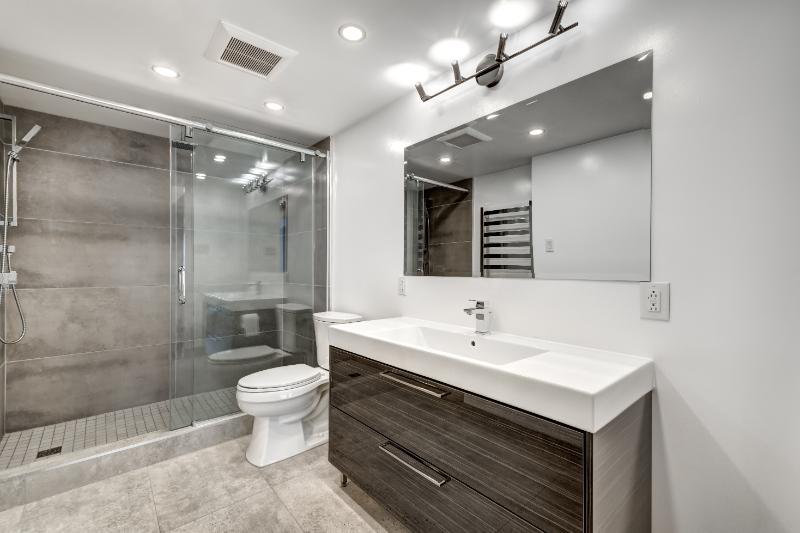
A bathroom should be more than a practical space for everyday routines. With thoughtful planning, it can become a comfortable retreat that improves the overall look and functionality of a home. Whether you’re updating an outdated guest bathroom or transforming a primary bathroom into a relaxing sanctuary, a successful renovation starts with understanding your needs, setting a realistic budget, and choosing materials that balance appearance with durability.
For homeowners considering a bathroom renovation in San Diego, the planning process also involves accounting for the region’s climate, local home styles, and the unique needs of each household. From selecting moisture-resistant finishes to maximizing storage in a compact layout, a few strategic decisions can make a significant difference in the finished space.
1. Start With a Clear Renovation Plan
Before choosing tiles, fixtures, or paint colors, identify what you want to accomplish with your renovation. Some homeowners prioritize a more modern appearance, while others need better storage, improved accessibility, or a more efficient layout.
Walk through your existing bathroom and identify the features that work well and those that cause frustration. You might need additional counter space, better lighting around the mirror, a larger shower, or more practical storage for toiletries and towels.
Creating a list of priorities helps keep the project focused. Separate essential improvements from optional upgrades so you can make informed decisions if costs change during construction.
It’s also helpful to consider who will use the bathroom. A family bathroom may require durable surfaces and ample storage, while a primary suite might benefit from a spacious walk-in shower, upgraded lighting, and a more relaxing color palette.
2. Establish a Realistic Budget
Bathroom renovations can vary considerably in cost depending on the size of the space, the materials selected, and the amount of construction involved. Replacing fixtures and finishes is generally less complex than relocating plumbing, changing the layout, or expanding the room.
Before beginning, determine how much you can comfortably invest in the project. Obtain estimates for labor, materials, demolition, plumbing, electrical work, and any necessary permits. Include a contingency fund for unexpected issues, such as water damage or deteriorating plumbing discovered behind walls.
When deciding where to spend your budget, prioritize improvements that affect daily use and long-term durability. Quality waterproofing, reliable plumbing fixtures, proper ventilation, and professional installation are often more valuable than decorative upgrades that offer little practical benefit.
You can still achieve an attractive result without choosing the most expensive materials. For example, combining affordable ceramic tile with a distinctive vanity, modern hardware, and well-planned lighting can create a polished appearance without overspending.
3. Choose Materials That Combine Beauty and Durability
Bathrooms experience frequent temperature changes, humidity, water exposure, and regular cleaning. Materials should therefore be selected for their ability to withstand these conditions as well as their visual appeal.
Porcelain and ceramic tiles are popular choices for bathroom floors and walls because they are available in a wide range of colors, patterns, and finishes. Porcelain is particularly useful in areas exposed to moisture, while properly selected ceramic tiles can work well for walls and other applications.
For countertops, homeowners may consider quartz, natural stone, or other bathroom-rated surfaces. Each option has different maintenance requirements, so it’s important to understand how a material responds to moisture, stains, and cleaning products.
Cabinetry also deserves careful consideration. Moisture-resistant finishes and appropriate construction can help extend the life of bathroom vanities, especially in rooms used by several people each day.
For a cohesive design, select a limited palette of complementary materials. Pairing neutral surfaces with a contrasting vanity or distinctive fixtures can add character without making the space feel visually crowded.
4. Make the Most of Your Available Space
A bathroom doesn’t necessarily need to be larger to become more functional. In many cases, improving the layout and making better use of existing space can deliver substantial benefits.
Consider replacing a bulky vanity with a more streamlined design, installing recessed shelving where appropriate, or using a mirrored medicine cabinet to add storage without occupying additional floor space.
A walk-in shower can create a more open appearance, particularly when paired with clear glass panels and consistent flooring. However, the best solution depends on the room’s dimensions, household needs, and budget. Some homes benefit more from retaining a bathtub, especially when the bathroom serves children or when another tub is not available elsewhere in the home.
Before moving major fixtures, evaluate how the existing plumbing affects the project. Keeping the toilet, shower, and sink in approximately the same locations may reduce construction complexity and help control costs.
Good circulation is equally important. Doors should open comfortably, drawers should be accessible, and frequently used items should be easy to reach. These small details can make a bathroom feel significantly more comfortable.
5. Use Lighting to Improve Both Appearance and Usability
Lighting is one of the most important elements of bathroom design, yet it is often overlooked during the early planning stages.
A well-lit bathroom typically combines general illumination with task lighting and, where appropriate, accent lighting. Ceiling fixtures provide overall visibility, while lights near the mirror help reduce shadows during shaving, grooming, and applying makeup.
Natural light can also make a bathroom feel more inviting. If the layout allows, a window or skylight may brighten the room and reduce the need for artificial lighting during the day. Privacy should remain a priority, so consider suitable glazing, window coverings, or carefully positioned openings.
The color temperature of light affects the atmosphere. Warmer lighting can create a relaxing environment, while neutral lighting may provide a more accurate view of skin tones and clothing colors.
For safety and performance, select fixtures rated for their intended bathroom locations and have electrical work completed according to applicable requirements.
6. Prioritize Ventilation and Moisture Control
A beautiful bathroom won’t remain in good condition if moisture is allowed to accumulate. Poor ventilation can contribute to condensation, peeling paint, damaged finishes, and mold growth.
An appropriately sized exhaust fan helps remove humid air, particularly during showers and baths. In some situations, improving ventilation may be one of the most valuable upgrades in the entire renovation.
Waterproofing is equally important. Shower walls, floors, and other wet areas require appropriate waterproofing systems installed according to the manufacturer’s specifications. Tile and grout alone should not be treated as a substitute for a properly designed waterproofing assembly.
Homeowners should also consider how materials perform in a coastal environment. In parts of San Diego County, exposure to salt-laden air may affect certain metal finishes, particularly near windows or in homes close to the coast. Choosing suitable hardware and maintaining fixtures can help preserve their appearance.
Addressing moisture management during construction helps protect both the finished bathroom and the surrounding structure.
7. Select Fixtures That Support Everyday Comfort
Bathroom fixtures influence both the overall design and the experience of using the space. Faucets, showerheads, toilets, and vanities should be selected based on appearance, reliability, maintenance, and practical needs.
Water-efficient fixtures can help reduce household water consumption without sacrificing comfort. Look for products that meet applicable efficiency standards and provide performance suitable for your household.
Storage should be planned alongside fixture selection. A vanity with organized drawers, built-in shelving, or a recessed shower niche can reduce clutter and keep frequently used items accessible.
Comfort can also come from relatively small upgrades. A handheld showerhead, a well-positioned towel bar, a comfortable mirror height, or a dimmable light can improve the daily experience without requiring a complete redesign.
The goal is to create a space that feels intentional rather than simply filling it with attractive products.
8. Work With Qualified Remodeling Professionals
Even a modest bathroom project can involve several trades, including plumbing, electrical work, tile installation, carpentry, and waterproofing. Coordinating these elements properly is essential to achieving a durable result.
Before hiring a contractor, review their experience with similar projects, verify applicable licensing and insurance, and ask for references or examples of completed work. A detailed written proposal should explain the project scope, materials, payment schedule, estimated timeline, and how changes will be handled.
Homeowners in San Diego should also determine whether the proposed work requires permits or inspections. Requirements depend on the scope of the renovation, particularly when plumbing, electrical systems, structural elements, or the building layout will be altered.
Clear communication helps prevent misunderstandings. Discuss who will purchase materials, how the work area will be protected, what access the crew will need, and how unexpected conditions will be addressed.
A qualified remodeling professional can also help identify opportunities to improve the design while keeping the project aligned with your budget and priorities.
9. Balance Current Trends With Timeless Design
Design trends can provide inspiration, but a bathroom renovation is a substantial investment. Choosing finishes that will remain appealing over time can help the space age gracefully.
Neutral tile, simple cabinetry, understated hardware, and clean lines provide a flexible foundation. You can introduce personality through mirrors, decorative lighting, artwork, textiles, and other accessories that are easier to replace as preferences change.
That doesn’t mean every bathroom should look the same. Natural textures, distinctive tile patterns, colorful vanities, and contrasting finishes can create a memorable design when used thoughtfully.
The key is to distinguish between permanent elements and details that can be updated later. Invest in durable construction and functional fixtures first, then use decorative choices to express your personal style.
Create a Bathroom That Works for Your Home
A successful bathroom renovation brings together several elements: a practical layout, a realistic budget, durable materials, effective lighting, reliable ventilation, and fixtures that support everyday comfort. When these decisions are made together, the result is more likely to feel cohesive and perform well for years to come.
Taking time to plan also helps homeowners avoid costly changes during construction. By identifying priorities early, comparing material options, and working with qualified professionals, you can create a bathroom that reflects your style while meeting the practical demands of daily life.
Ultimately, the best bathroom is not necessarily the largest or most expensive. It’s the one that makes your routine easier, uses its space efficiently, and provides a comfortable environment you’ll enjoy every day.